
The Evolution of Open-Ear Headsets: How Air Conduction Became a Work Essential
In a world where hybrid work and continuous communication have become the norm, the tools we use to communicate are evolving fast. Among them, open-ear headsets — including air conduction and bone conduction designs — have shifted from niche tech curiosities to mainstream productivity tools.

What Is an Open-Ear Headset?
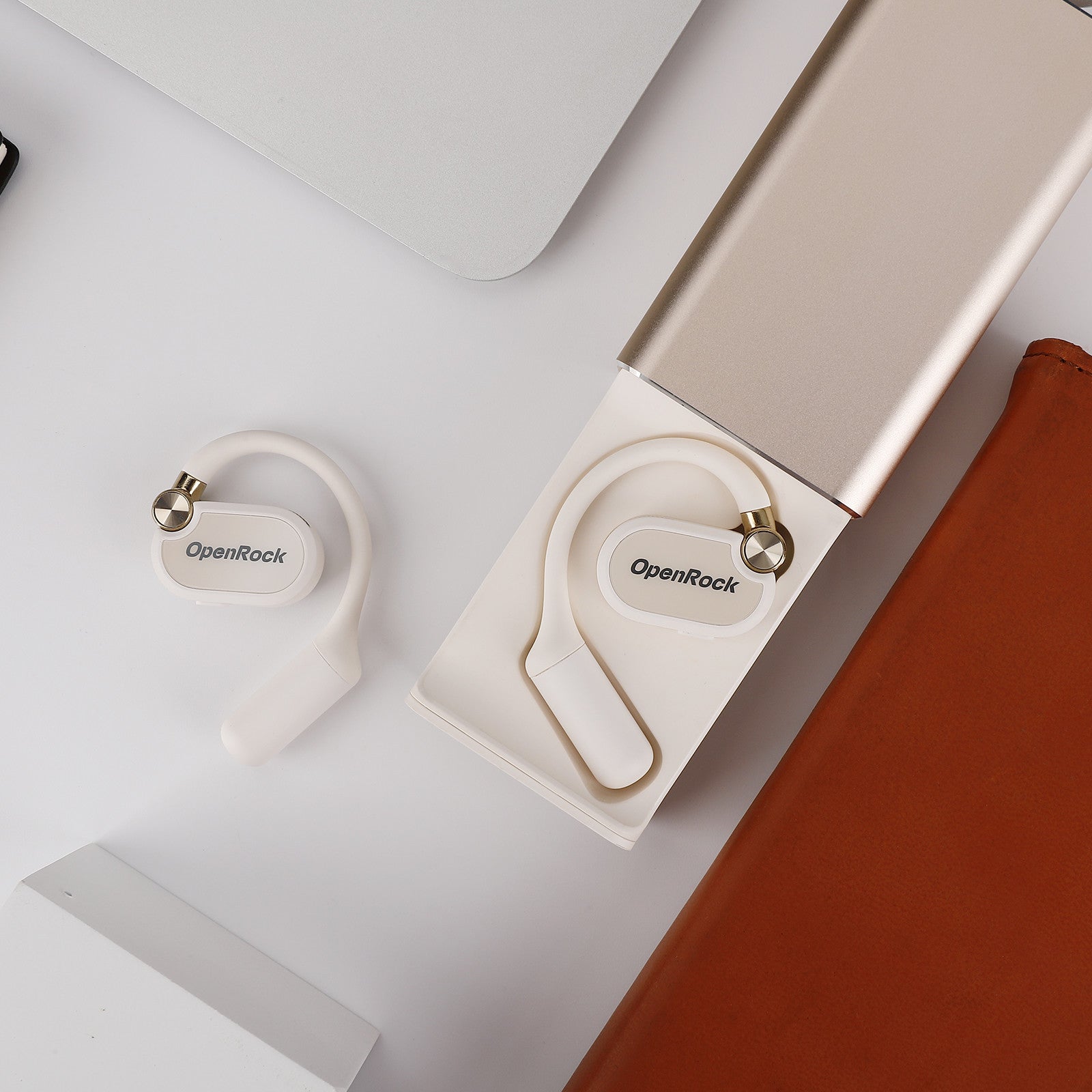
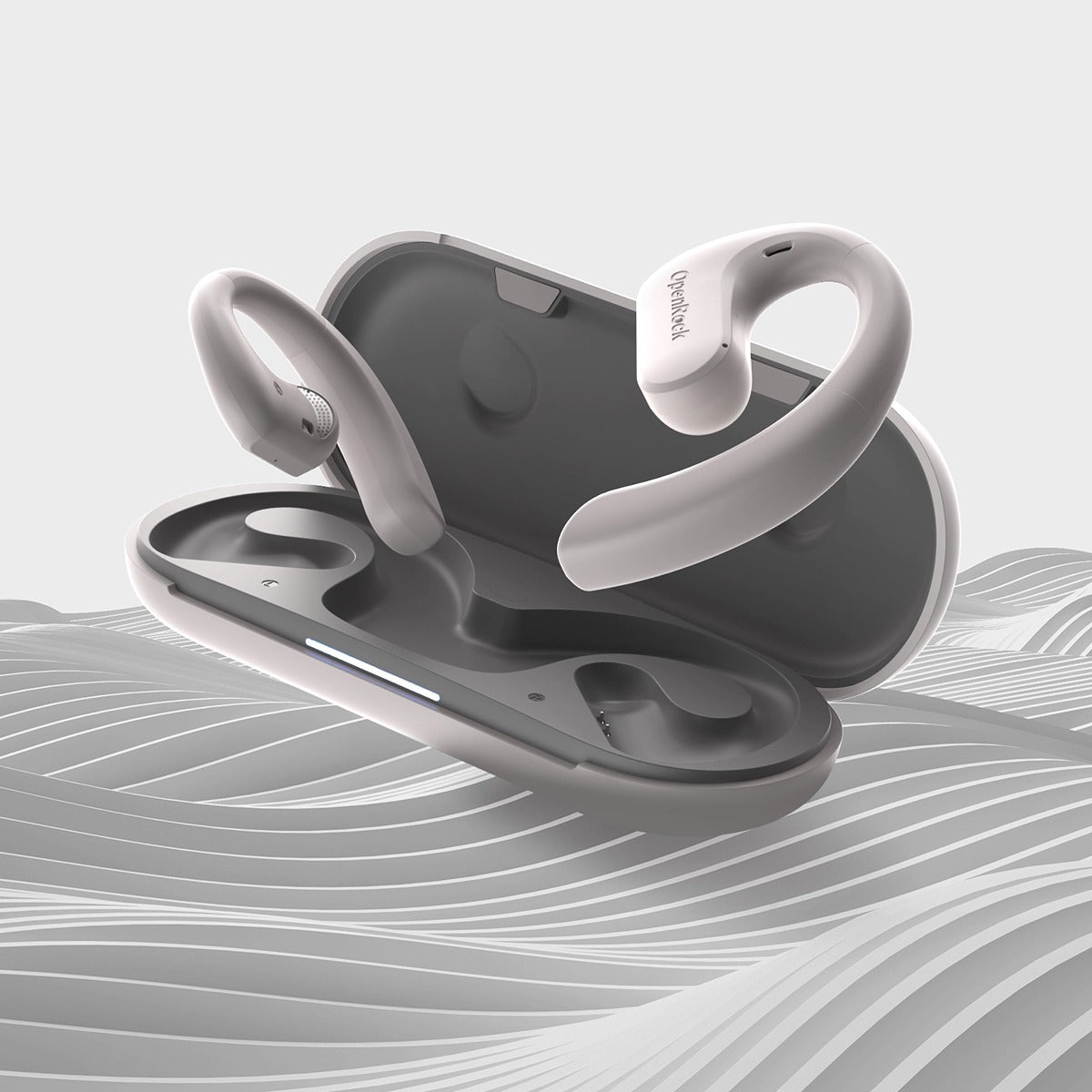
An open-ear headset doesn’t block your ear canal like traditional earbuds. Instead, sound reaches your ears through vibrations directed toward the outer ear — either through air conduction or direct bone conduction.
This design lets you:
- Stay aware of your environment
- Hear colleagues in the same room
- Stay safe on the road
- Reduce ear fatigue during long calls
The result? A headset that feels natural, even after hours of use.
The Origins: From Military & Accessibility to Consumer Tech
Originally, open-ear technologies were developed for specialized purposes:
Early Uses in Military & Safety
Early versions of bone conduction communication systems were built for soldiers needing to communicate while keeping ears open for situational awareness.
Assistive Tech for Hearing Loss
Before consumer gadgets existed, bone conduction devices helped individuals with certain types of hearing impairment.
These early roots laid the foundation for what would eventually become mainstream open-ear audio.
From Fitness to Office: How the Market Shifted
 Fitness & Outdoor Enthusiasts Lead the Way
The first big consumer wave came from outdoor sports:
- Cyclists who needed ambient awareness
- Runners who wanted music but also safety
- Hiking and adventure users demanding comfort
Open-ear headsets became popular because they balanced audio with situational awareness.
Then Came Remote Work & Hybrid Teams
 As Zoom, Teams, Webex and video calls exploded, people began seeking headsets that:
- Didn’t trap sound
- Reduced fatigue
- Improved voice pickup
- Allowed natural conversation before/after calls
This is exactly where open-ear designs found their next home — the workspace.
Key Innovation Milestones
- Open-Ear Consumer Audio (early 2000s): First attempts at air conduction headsets
- Bone Conduction Sports Headsets (2010s): Brands focused on running/cycling
- Hybrid Communication Devices (late 2010s): Integrating clearer mics for calls
- AI-Enhanced Productivity Headsets (2020s): Real-time transcription, meeting summaries, smart noise suppression
Today’s products aren’t just about sound — they’re about getting work done.
Why Open-Ear Works Better for Modern Work
Open-ear isn’t just comfortable — it changes how professionals communicate:
1. All-Day Wearability
No ear fatigue after hours of calls.
2. Better Situational Awareness
Hear coworkers or surroundings without pausing your headset.
3. Enhanced Productivity
Some open-ear products now include AI features that turn meetings into searchable transcripts and summaries — saving time and effort.
OpenRock Link 20: A Next-Gen Open-Ear Headset
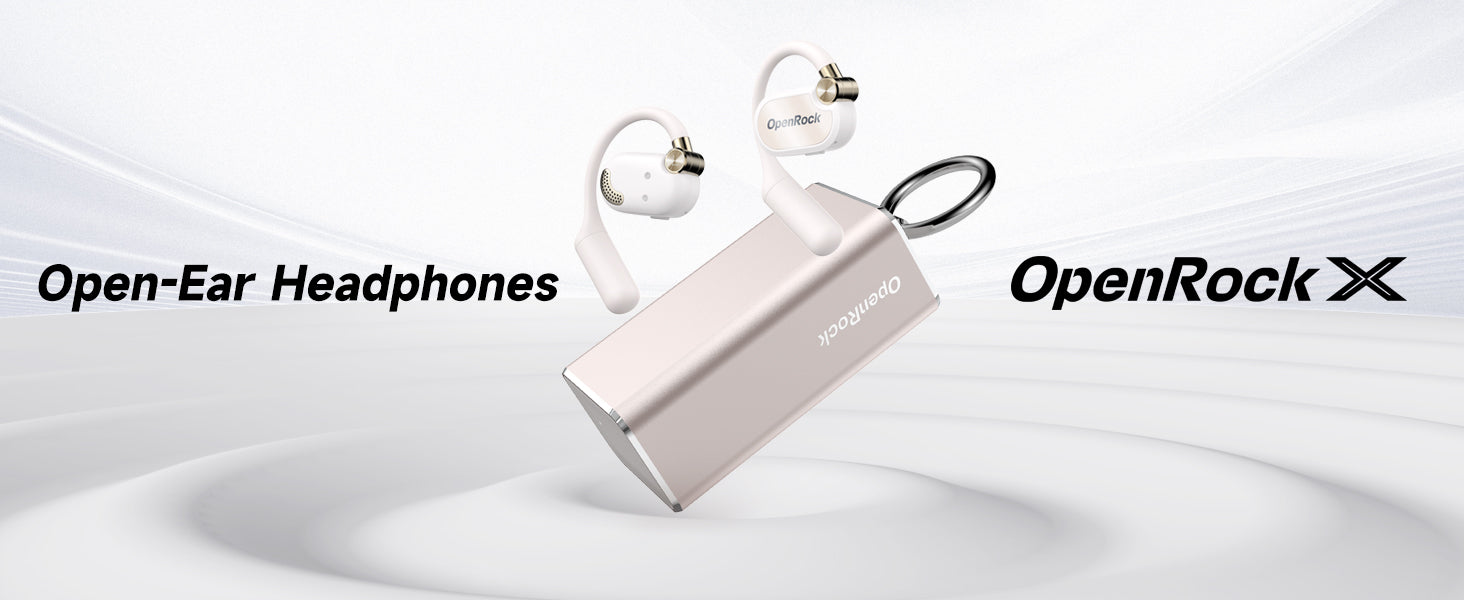
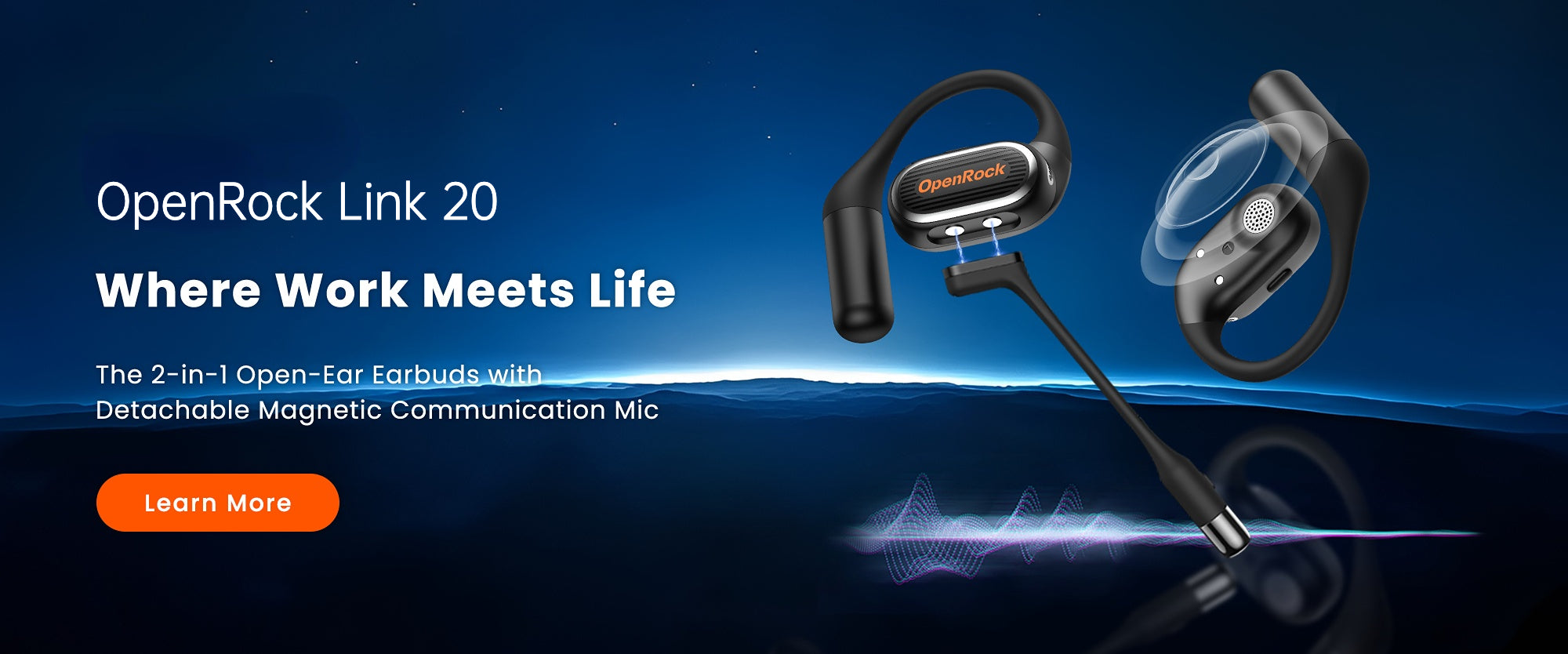
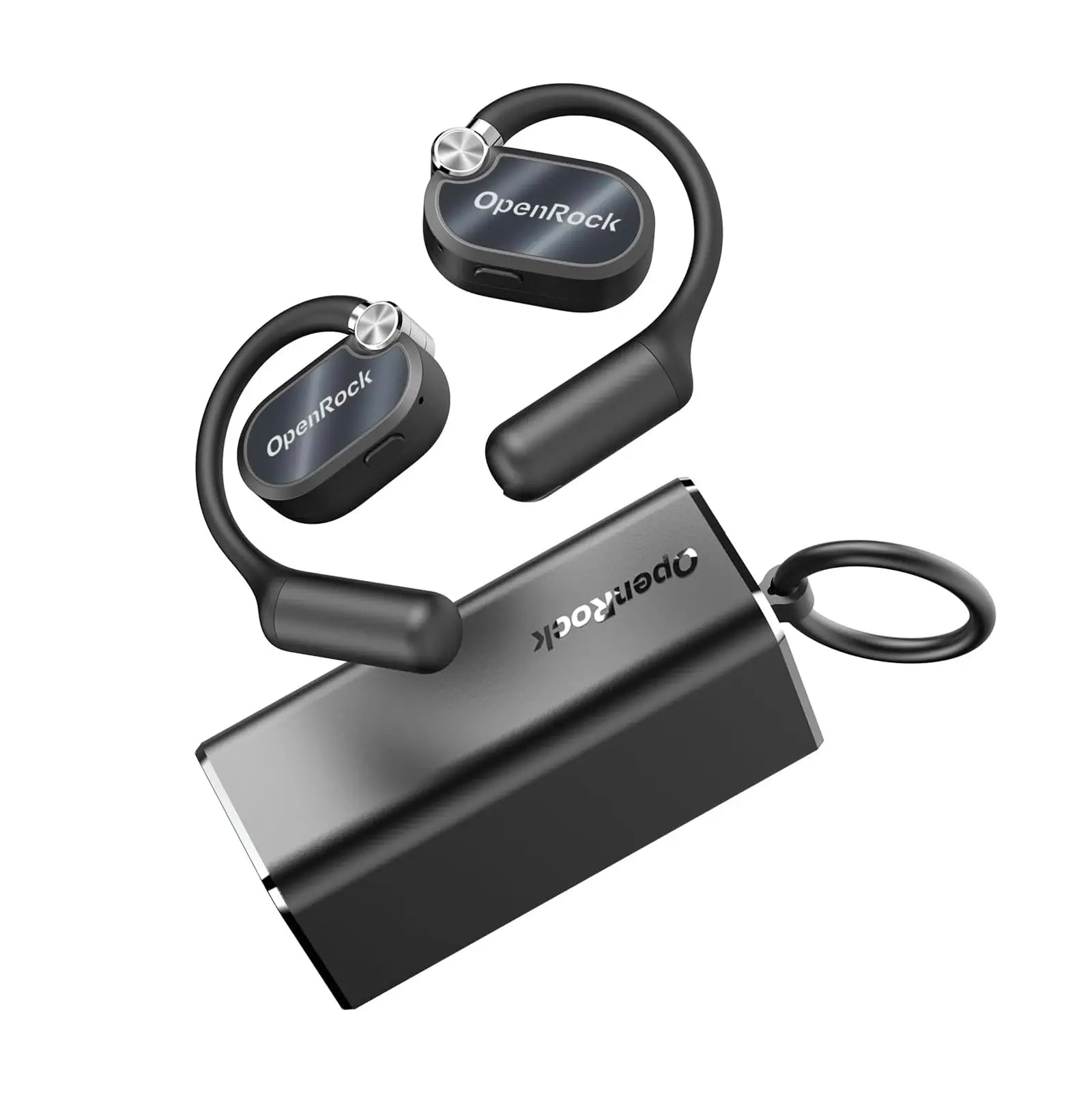
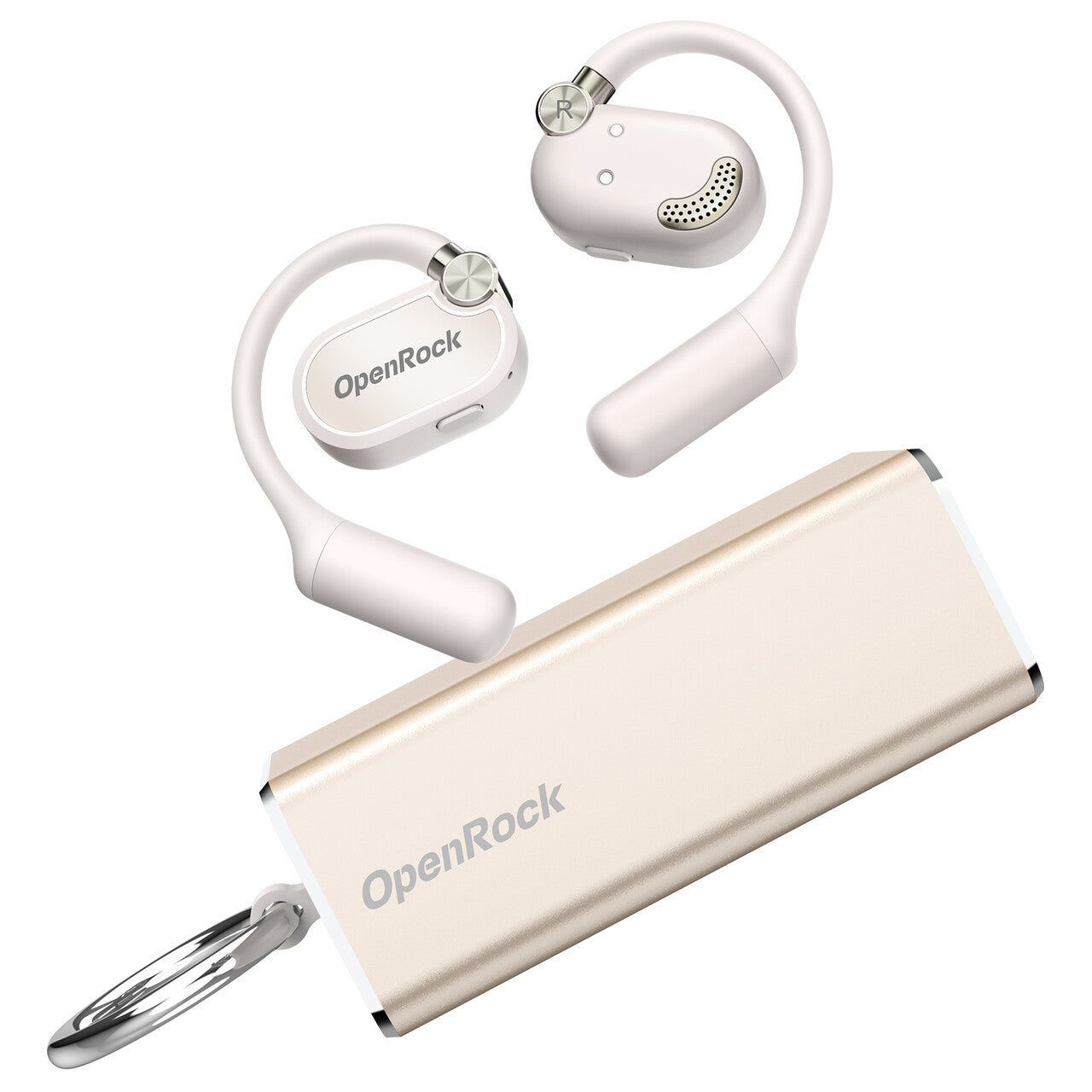
The evolution reaches its peak with modern devices like the OpenRock Link 20 — open-ear headset with magnetic mic and AI office assistant.
 Designed for:
- Remote workers
- Office professionals
- Call centers
- Online educators
- Drivers & field agents

This headset merges the comfort of open-ear with productivity features that redefine how people communicate.
Why This History Matters to You
Understanding where open-ear technology came from helps you choose the right headset — one that fits your lifestyle, your work and your productivity goals.
CTA
Ready to experience the evolution of work audio?
➡️ Discover OpenRock Link 20 — designed for the way you work and live.



Leave a comment
This site is protected by hCaptcha and the hCaptcha Privacy Policy and Terms of Service apply.